Comparing Colchagua vs Mendoza is not simply about deciding which wine region has better wines. For travelers from the United States, Europe or Brazil, the real question is more practical: which destination fits your itinerary, how much time you have, what kind of wine you want to taste, what landscape you want to experience and what kind of trip you want to book.
Mendoza and Colchagua are two of the great names in South American wine. Both offer well-known wineries, attractive hotels, gastronomy, memorable landscapes and experiences designed for travelers who want more than a quick tasting.
But they are not the same.
For years, the comparison has often been summarized in a simple way:
Mendoza is Malbec. Colchagua is Carménère.
That phrase is useful, but it does not tell the whole story.
Mendoza feels like a wine city surrounded by vineyard routes. Colchagua feels like a rural wine valley where the town, hotels, wineries, roads, gastronomy and landscape are all part of the same experience.
Mendoza is usually the better choice if your trip is centered on Argentina, if you want Malbec, the Andes, Argentine barbecue, urban wine culture, long winery lunches and several days to explore different wine areas.
Colchagua, on the other hand, makes a lot of sense if your trip starts in Santiago, Chile, and you are looking for a more intimate, rural, elegant wine escape that is easy to include in a broader Chile itinerary.
Chile has an important advantage for international travelers: Santiago works as a strong travel hub. From Santiago Airport, you can plan days in the Atacama Desert, Easter Island, Patagonia, the Pacific coast or southern Chile. Colchagua is also about 2.5 hours from Santiago Airport, which makes it one of the easiest wine destinations to add to a well-planned trip through Chile.
To enrich this comparison, we spoke with Valerine Ocampo, sommelier for Catas Nómades and Brand Ambassador for Brandabout Chile. Her perspective helps avoid a superficial comparison: instead of asking which destination is simply “better,” she suggests understanding what kind of experience each valley offers and what each traveler needs in order to enjoy it properly.
At DisfrutaColchagua.com, we created this guide to help you decide honestly. The goal is not to force one answer, but to help you choose better: Colchagua if your trip is built around Chile; Mendoza if your trip is centered on Argentina. And once you make that decision, to understand which hotel, tour or wine experience may be worth booking.
Some links included in this guide may generate a commission for DisfrutaColchagua.com, at no additional cost to the traveler. This helps us continue creating independent guides about Colchagua, hotels, wineries, tours and wine experiences in Chile and South America.
Colchagua vs Mendoza at a Glance
| Type of traveler | Better choice | Why |
|---|---|---|
| You are traveling through Chile and arriving in Santiago | Colchagua | It is easier to add to the itinerary without changing countries |
| You are traveling through Argentina and want Malbec | Mendoza | It is Argentina’s great wine destination associated with Malbec |
| You want to combine wine with Atacama, Easter Island or Patagonia | Colchagua | Santiago offers air connections to Chile’s major destinations |
| You only have 2 or 3 free days from Santiago | Colchagua | It works very well as a short wine country escape |
| You have 4 to 6 nights dedicated to wine | Mendoza | It allows more time to explore Luján de Cuyo, Maipú and Uco Valley |
| You want Carménère and Chilean reds | Colchagua | It is one of the best places to understand Chilean wine in context |
| You want Malbec and high-altitude wines | Mendoza | It is the most recognized territory for Argentine Malbec |
| You prefer a rural and intimate experience | Colchagua | Santa Cruz and the valley offer a slower, more intimate scale |
| You prefer a city, restaurants and broad wine routes | Mendoza | Mendoza city works as an urban base for several wine areas |
| You want dramatic Andes landscapes | Mendoza | The mountain scenery has a stronger presence |
| You want Chilean countryside, museums and wineries near Santiago | Colchagua | It combines wine, culture, hotels and rural landscapes in a few days |
The Core Difference: Mendoza Is a Wine City, Colchagua Is a Rural Wine Valley
One of the clearest ways to understand Colchagua vs Mendoza is to look at the kind of territory the traveler experiences.
Mendoza works as a city base. The traveler arrives in a relatively large city with hotels, restaurants, wine bars, wine shops, agencies, urban life and services. From there, visitors head out to different wine areas: Luján de Cuyo, Maipú or Uco Valley.
That has clear advantages. There is more infrastructure, more restaurants, more urban movement and a very well-developed tourism scene. For travelers who want to combine a city, wineries, gastronomy, social life and the Andes, Mendoza offers a structure that is easy to understand.
Valerine Ocampo explains this very clearly: in Mendoza, you can taste wines, enjoy gastronomy and live wine tourism experiences even without leaving the city. Wine culture appears in restaurants, wine shops, wine lists and everyday conversations. Everything is deeply connected to wine consumption and wine culture.
Colchagua works differently.
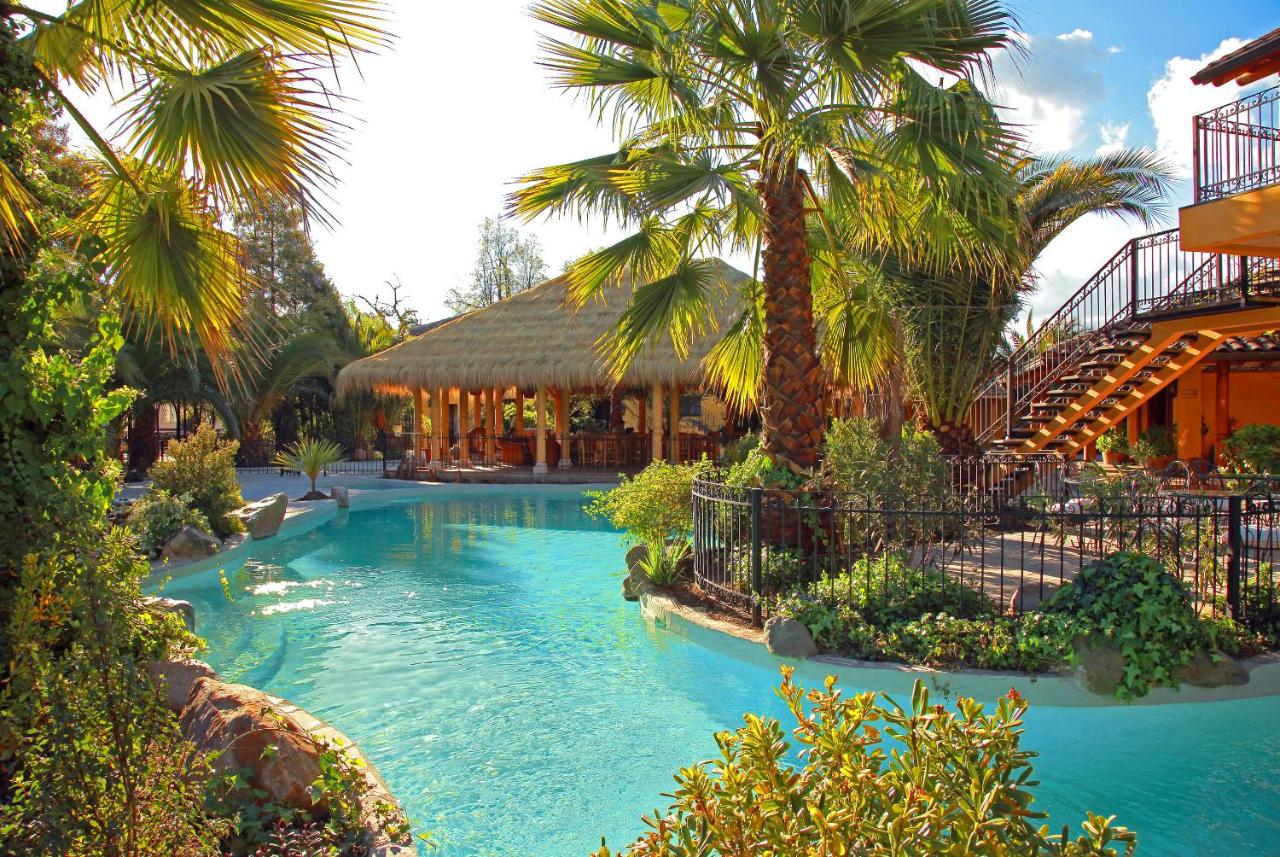
Santa Cruz de Colchagua does not feel like a large wine city. It feels more like the gateway to a rural valley. Here, the experience is more integrated into the landscape: country roads, vineyards, small towns, hotels with identity, museums, winery restaurants, small producers and a slower rhythm of travel.
In Mendoza, you often sleep in the city and travel out to the wineries.
In Colchagua, you often feel that you enter the world of wine as soon as you arrive in the valley.
Valerine describes Colchagua’s proposal as more intimate and traditional. The town often works as a place to stay, but the trip really comes alive when you visit wineries, explore the valley, meet producers, enjoy lunch in rural spaces and connect with local identity.
This difference does not make one destination better than the other. It simply shows that they offer different emotions.
Mendoza can feel larger, more urban, more bohemian and more international.
Colchagua can feel more rural, more intimate and more deeply connected to the Chilean countryside.
Mendoza Is Malbec; Colchagua Is Carménère, But the Story Does Not End There
The second major difference is wine identity.
Mendoza is inseparable from Malbec. For many international travelers, Mendoza and Malbec are almost the same idea. Argentina built a powerful country image around this grape, especially in areas such as Luján de Cuyo and Uco Valley.
If you dream of tasting Argentine Malbec with the Andes in the background, Mendoza is very difficult to beat.
Colchagua has a different personality.
If Mendoza is Malbec, Colchagua is often presented as Carménère. This grape is strongly associated with Chile, and Colchagua is one of the most interesting territories to understand it in context.
But Valerine Ocampo makes an important distinction: this comparison is useful, but it can also be unfair if it is treated as an absolute truth. Mendoza is not only Malbec. It also produces great Cabernet Franc, Chardonnay and other varieties. Colchagua is not only Carménère either.
In Colchagua, you can find Cabernet Sauvignon, Syrah, Malbec, Cabernet Franc, premium red blends, coastal wines, interesting whites from areas such as Lolol or Paredones, heritage reds such as País from Pumanque, as well as varieties such as Albariño, Viognier, Garnacha, Roussanne and Marsanne, which are beginning to appear with more strength.
That diversity matters for a wine traveler.
Mendoza tells the great story of Argentine Malbec.
Colchagua tells a broader Chilean story: Carménère, Apalta reds, historic wineries, boutique projects, coastal influence, heritage wines and a valley that stretches from the mountains toward the sea.
Famous Wineries in Mendoza and Colchagua
Another important point when comparing Colchagua vs Mendoza is understanding which names matter to wine travelers.
Famous Wineries in Mendoza
In Mendoza, some of the most recognized wineries for international travelers include Catena Zapata, Zuccardi, Achaval-Ferrer, Trapiche, Bodega Norton and Salentein.
These names help explain Mendoza’s strength as a global wine destination. They are associated with Malbec, high-altitude wines, winery architecture, gastronomy, long lunches and a very well-developed wine tourism scene.
For a traveler who wants a famous, developed and internationally recognized region, Mendoza has a clear advantage.
Famous Wineries in Colchagua
In Colchagua, the most relevant names for a wine trip include Viña Montes, Clos Apalta, VIK Winery, Viu Manent, Neyen, Casa Silva and Viña Maquis.
Each one shows a different side of the valley.
Viña Montes and Clos Apalta represent the prestige of Apalta and great red wines. VIK connects wine, architecture, art, landscape and luxury hospitality. Viu Manent brings family tradition and well-developed wine tourism experiences. Neyen speaks of old vines and heritage. Casa Silva is one of Colchagua’s historic names. Viña Maquis offers a more technical, territorial and terroir-focused view.
Mendoza has a larger and more consolidated scene.
Colchagua has wineries capable of offering a more concentrated, less massive and deeply landscape-connected experience.
When to Choose Colchagua
Colchagua is especially convenient if your trip begins or ends in Santiago, Chile.
From Santiago, the valley is close enough for a 2- or 3-day escape, but far enough to feel that you have left the city and entered a different rhythm.
For travelers from the United States, Europe or Brazil visiting Chile for the first time, this is a major advantage. You do not need to cross into Argentina, take another international flight or turn your itinerary into a complicated binational trip. You can combine Santiago, Colchagua, Valparaíso, Atacama, Easter Island, Patagonia, the coast or southern Chile within the same country.
Choose Colchagua if you are looking for:
- a wine escape from Santiago;
- a more intimate experience than Mendoza;
- boutique or premium hotels connected to the landscape;
- recognized wineries without feeling too much mass tourism;
- Carménère, Cabernet Sauvignon, Syrah and Chilean blends;
- small towns, museums and local culture;
- a well-organized 2- or 3-day trip;
- a rural, slower destination that is easy to explore with tours or transfers;
- wine country combined with Atacama, Easter Island or Patagonia.
Valerine Ocampo adds a particularly interesting idea: in Colchagua, you can plan a complete weekend and change landscapes, traveling through the valley from the mountains toward the sea while finding alternatives connected to the local and cultural identity: hotels, museums, outdoor experiences, gastronomy, major international wine brands and small producers who welcome travelers into their properties, or even their homes.
Colchagua is not a smaller version of Mendoza. It is another way of experiencing wine travel in South America.
Where to Stay If You Choose Colchagua
In Colchagua, where you stay has a strong influence on the kind of trip you will experience. Staying in the center of Santa Cruz is not the same as sleeping among vineyards or choosing a luxury hotel where the stay becomes a central part of the journey.
If you are looking for a premium experience, Hotel VIK Chile is one of the strongest options in the valley. It is not just a place to sleep, but a destination experience: architecture, art, landscape, wine, gastronomy and a direct connection with the territory. It is a strong choice for couples, high-end travelers and wine lovers who want the hotel to become a memorable part of the trip.
If you prefer a practical base in the heart of Santa Cruz, Hotel Santa Cruz Plaza, located right in front of the town square, is an excellent choice. It offers an outdoor pool, a heated pool and a notable spa, and it is just steps from the Colchagua casino and across from the town’s main church. Its central location makes it easy to reach the Colchagua Museum, restaurants, local services and departure points for exploring the valley. It is ideal for travelers who want to move around easily, walk through the town center and enjoy a comfortable stay without depending entirely on a rural hotel.
Book Hotel Santa Cruz Plaza here
For travelers who want to stay closer to the vines, Cava Colchagua is a very attractive alternative. Located only five minutes by car from the town square, it offers the possibility of sleeping inside old wine barrels converted into rooms and waking up surrounded by vineyards. Its concept combines originality, comfort and a direct connection with wine culture, offering a different and authentic experience that reflects the spirit of Colchagua. It also offers services such as a spa and horseback riding to complement the stay.
The decision depends on your travel style: VIK if you want luxury, design and a high-end experience; Hotel Santa Cruz Plaza if you want a practical location in town; and Cava Colchagua if you prefer a stay more connected to the vines and the valley landscape.
What Tour to Book If You Choose Colchagua
If you do not want to drive, it is best to book an organized experience. This is especially important because wine and driving do not mix well.
A good tour is not just transportation. It solves real travel problems: timing, winery reservations, rural distances, lunch, tastings and safety after drinking wine.
For travelers looking for a premium experience from Santiago, one of the most attractive alternatives is to combine VIK Winery, Viña Montes and the Apalta landscape in a private tour. This option allows you to discover one of Colchagua’s most exclusive sides without worrying about transfers, schedules or driving after tastings.
Book the private VIK and Montes wine experience here
If you are still comparing alternatives, you can also review a broader selection of tours and experiences available in Colchagua.
Discover Colchagua wine tours and experiences here
When to Choose Mendoza
Mendoza is especially convenient if your trip is centered on Argentina.
If you are visiting Buenos Aires, want to explore Argentine wine and have several days available, Mendoza is a natural choice. It is a city prepared to receive wine travelers, with hotels, restaurants, agencies, tourist transportation, wine shops and access to different wine areas.
Choose Mendoza if you are looking for:
- Malbec as the main focus;
- dramatic Andes landscapes;
- a city base with tourist services;
- long winery lunches;
- Argentine barbecue and high-level gastronomy;
- several wine areas in one destination;
- a 4- to 6-night trip centered on wine;
- a complete Argentina experience together with Buenos Aires.
Valerine Ocampo explains that Mendoza is a city 100% related to the table, gastronomy and wine consumption. It is a great option if you are in Argentina and want to discover the country’s wine development through its history, restaurants, wineries and urban life.
Mendoza may be larger and more famous than Colchagua. It may also require more time to enjoy properly. It is not enough to simply “pass through Mendoza” if you want to experience it in depth.
Where to Stay If You Choose Mendoza
If you decide that Mendoza fits your trip better, it is worth choosing a hotel designed for wine travelers. Location and style matter because Mendoza is organized around different wine routes and subregions.
A good hotel in Mendoza should help you rest between tours, coordinate winery visits and enjoy the city or surrounding areas without making logistics harder.
Book this wine hotel in Mendoza here
This option makes sense if Mendoza will be the center of your Argentine wine experience and you want to use it as a base for Luján de Cuyo, Maipú or Uco Valley.
What Tour to Book If You Choose Mendoza
Mendoza has several wine routes, but for an international traveler there are two especially clear decisions: Uco Valley or Luján de Cuyo.
Uco Valley is ideal if you are looking for Andes landscapes, modern wineries, high-altitude wines, contemporary architecture and a more visually impressive experience. It is one of the most attractive areas for travelers who want to see the most scenic and premium side of Mendoza.
Book a private Uco Valley wineries tour here
Luján de Cuyo is ideal if you want to understand Malbec from one of the classic and most important areas in Argentine wine history. It is a very good gateway for travelers visiting Mendoza for the first time and wanting an experience centered on the grape that made the destination famous.
Book the Malbec tour in Luján de Cuyo here
The difference is simple:
If you want Andes scenery and a premium experience, choose Uco Valley.
If you want classic Malbec and a clear introduction to Mendoza, choose Luján de Cuyo.
Colchagua vs Mendoza for Travelers from the United States, Europe and Brazil
For travelers from the United States, Europe and Brazil, the comparison should not begin only with wine. It should begin with the full travel route.
If you fly to Santiago, Colchagua makes a lot of sense. You can spend a few days in the Chilean capital, travel to the valley, sleep among vineyards or in Santa Cruz and then continue toward the coast, Atacama, Easter Island, Patagonia or southern Chile.
If you fly to Buenos Aires or directly to Mendoza, then Mendoza makes a lot of sense. You can combine the urban culture of Buenos Aires with several days of wine, mountains and gastronomy in Mendoza.
The key is not to force the itinerary.
Colchagua is better when the trip is already built around Chile.
Mendoza is better when the trip is already built around Argentina.
If you have two weeks or more, you could consider both. But if you have one week or ten days, it is usually better to choose one and experience it well.
Best Time to Visit Colchagua and Mendoza
Valerine Ocampo raises an important difference that many travelers do not consider: both destinations may need different seasons and time frames to be enjoyed properly.
For Colchagua, good planning may point especially to November through March, when the valley has more light, warmth, tourism movement, open landscapes and experiences that work well with wine, hotels, gastronomy and outdoor activities.
Mendoza, on the other hand, can also be very pleasant during winter. Its relationship with the city, restaurants, wine shops, gastronomy and proximity to the mountains allows it to work with a different travel logic.
This does not mean that Colchagua can only be visited in summer or that Mendoza only works in winter. But it does help explain why they should not be compared as if they were exactly the same kind of destination.
The calendar, climate, type of experience and available time can completely change the decision.
Logistics: Santiago and Colchagua vs Buenos Aires and Mendoza
Colchagua has a very strong logistical advantage: Santiago works as an international gateway and the valley is relatively close. From Santiago Airport, Colchagua can be added as an escape of about 2.5 hours south, without needing to take another flight or cross a border.
This makes Colchagua especially convenient for a short escape.
Chile also allows travelers to organize a very diverse trip from Santiago. You can add days in the Atacama Desert, fly to Easter Island, continue toward Patagonia or combine coast, city and wine country in the same route. For international travelers, this variety is a huge advantage.
Mendoza requires another logic. If you are in Argentina, it is easy to integrate it into the trip. But if you are in Chile, it means adding a flight, crossing a border or planning more days. The land route between Chile and Argentina can be scenic, but also slow and dependent on weather conditions, especially in winter.
That is why, for a traveler already in Santiago, Colchagua is usually the most efficient option.
For a traveler already in Buenos Aires or Mendoza, Mendoza is the natural option.
Landscape: Dramatic Andes or Chilean Countryside
Mendoza has an obvious advantage when it comes to mountain scenery. The Andes appear as an impressive background, especially in areas such as Uco Valley. For many travelers, that postcard view is an essential part of the experience.
Colchagua offers a different kind of landscape. It does not try to impress in the same way. Its charm lies in soft hills, country roads, rural houses, vineyards, small towns and the agricultural rhythm of the valley.
Valerine Ocampo explains it from a very travel-minded perspective: landscape is everything when visiting a new destination. In Colchagua, you can wake up among vineyards, have lunch in a countryside setting and end the day with a sunset by the sea if you travel toward the coast. In Mendoza, by contrast, the landscape is deeply dominated by the majesty of the Andes.
Mendoza can feel monumental.
Colchagua can feel intimate.
Mendoza invites you to look toward the mountains.
Colchagua invites you to slow down and look around.
Gastronomy: Argentine Barbecue or Chilean Countryside Cuisine
Mendoza has a very developed gastronomic scene. Long winery lunches, Argentine barbecue, beef, fire cooking and Malbec are central parts of the experience.
For international foodies, Mendoza is a very strong choice.
Colchagua offers a different kind of gastronomy. Here, food is more connected to the Chilean countryside, local products, winery restaurants, seasonal preparations, slow lunches and wine served in a more rural context.
In Mendoza, the table often feels more urban, open and bohemian.
In Colchagua, the table can feel closer, more territorial and quieter.
Valerine Ocampo summarizes it clearly: in Mendoza, gastronomy and wine go hand in hand, with bohemian energy and a more relaxed offer to enjoy wine at any moment. Colchagua, by contrast, is expressed more through tradition, identity and passion for local culture.
Both experiences can be extraordinary. The difference is style.
Colchagua vs Mendoza for Couples
Both destinations work very well for couples, but for different reasons.
Mendoza is ideal for couples looking for several days of wine, mountains, good restaurants, design hotels and a larger travel experience.
Colchagua is ideal for couples looking for a more intimate escape, easy access from Santiago, special hotels, quiet roads, premium wineries, museums, restaurants and a stronger sense of privacy.
According to Valerine Ocampo, the answer depends heavily on the couple’s style. If they want privacy and tranquility, Colchagua has many options: carriage rides, horseback riding through the hills of the valley and exclusive dinners in winery restaurants. If the couple enjoys sharing with other wine lovers, there are also experiences with small producers that include lunches and glasses of wine without formalities or rigid structures.
If the couple wants a complete trip through Argentina, Mendoza is a great choice.
If the couple wants to add a wine escape inside a trip through Chile, Colchagua is hard to beat.
Colchagua vs Mendoza for Wine Lovers
For a true wine lover, the ideal answer would be to visit both destinations.
Mendoza allows you to understand the power of Argentine Malbec, the importance of Luján de Cuyo, the evolution of Uco Valley and the impact of high-altitude wines.
Colchagua allows you to understand Chilean Carménère, Apalta reds, Cabernet Sauvignon, Syrah, premium blends, boutique wineries, small producers and the rural character of Chilean wine.
Valerine Ocampo notes that both destinations can offer deep experiences for those who want to explore grape varieties, terroir, wineries and premium proposals. The main difference lies in the amount of time the traveler defines for exploring each place.
If you want to understand Argentina, Mendoza is essential.
If you want to understand Chile, Colchagua is essential.
The decision depends on which South American wine story you want to experience first.
How Many Days to Spend in Each Destination
For Colchagua, a 2- or 3-day escape can be enough for a very complete experience. You can sleep in Santa Cruz or in a wine hotel, visit one or two wineries, eat well, visit a museum and return to Santiago without making the trip feel too heavy.
For Mendoza, more time is usually ideal. If you want to combine the city, Luján de Cuyo, Maipú and Uco Valley, it is better to think in terms of 4 to 6 nights. Mendoza rewards depth. It is not a destination to rush from one winery to another without pause.
In simple terms:
Colchagua works very well in a few days.
Mendoza works better when you give it more time.
Valerine also approaches this from the point of view of planning: these are destinations that need different amounts of time and different approaches in order to be enjoyed properly.
Mistakes Travelers Make When Comparing Colchagua and Mendoza
One of the most common mistakes is trying to decide which destination is superior, as if Mendoza and Colchagua offered exactly the same experience.
They do not.
Valerine Ocampo points out two important mistakes: the first is comparing the destinations and ranking one above the other; the second is putting each valley into a single category. For her, being a wine traveler means being open to surprises, stepping outside the obvious and wanting to learn from every detail.
That point is essential.
Mendoza should not be reduced only to Malbec.
Colchagua should not be reduced only to Carménère.
Mendoza is not only city, and Colchagua is not only countryside. Both destinations have more nuance, but they require different expectations.
The best trip does not come from choosing “the winner.” It comes from understanding what kind of experience you want to live.
Which Destination to Choose According to Your Travel Style
Choose Colchagua if:
- you arrive in Santiago;
- you are traveling through Chile;
- you want a 2- or 3-day escape;
- you are interested in Carménère and Chilean reds;
- you prefer a rural valley over a large city;
- you want something less massive than Mendoza;
- you are interested in combining wine, museums, hotels and local culture;
- you want an easy experience to organize from the Chilean capital;
- you want to add wine country to a trip that may also include Atacama, Easter Island or Patagonia.
Choose Mendoza if:
- you are traveling through Argentina;
- you want to taste Malbec in its most famous territory;
- you are looking for the Andes, altitude and mountain landscapes;
- you have more days to dedicate to wine;
- you want a city base with restaurants and services;
- you are looking for long lunches in wineries;
- you want to explore Luján de Cuyo, Maipú or Uco Valley.
How to Book the Right Experience Depending on Your Decision
If you choose Colchagua and want a premium experience, combine a good hotel with an organized visit to high-level wineries.
Book the private VIK and Montes wine experience here
If you choose Colchagua but still want to compare available activities, tours and wine experiences, review the general selection of experiences in the valley.
Discover Colchagua wine tours and experiences here
If you choose Mendoza and want a premium experience with Andean scenery, Uco Valley is an excellent decision.
Book a private Uco Valley wineries tour here
If you choose Mendoza to understand classic Malbec, Luján de Cuyo is one of the best routes.
Book the Malbec tour in Luján de Cuyo here
If Mendoza will be the center of your trip, choose a hotel designed for wine travelers.
Book this wine hotel in Mendoza here
Final Verdict: Colchagua Does Not Compete with Mendoza, It Tells Another Story
The comparison Colchagua vs Mendoza should not end with a simplistic answer.
Mendoza is one of the great wine destinations of South America. It has Malbec, the Andes, a city, gastronomy, famous wineries and a very well-developed tourism infrastructure.
Colchagua offers something else: a rural, intimate, elegant and deeply Chilean valley where Carménère, Apalta reds, Santa Cruz, hotels, museums, small producers and country roads create a less obvious and slower experience.
If you want the great Argentine capital of Malbec, choose Mendoza.
If you want to discover Chilean wine country from Santiago, choose Colchagua.
If you have enough time, visit both.
But do not expect them to feel the same.
Mendoza speaks with the voice of Malbec, the Andes, gastronomy and the wine city.
Colchagua speaks with the voice of Carménère, Chilean reds, rural roads, local identity and the calm of the valley.
As Valerine Ocampo says, Colchagua is tradition, identity and a huge passion for local culture; it is about enjoying the postcards its landscapes leave in every season. Mendoza, on the other hand, offers gastronomy and wine together, bohemian energy and a more relaxed offer to enjoy wine on many occasions.
Two destinations. Two styles. Two different ways of understanding wine in South America.
The right decision is not only where to go.
It is also what to book once you know what kind of trip you want to live.